

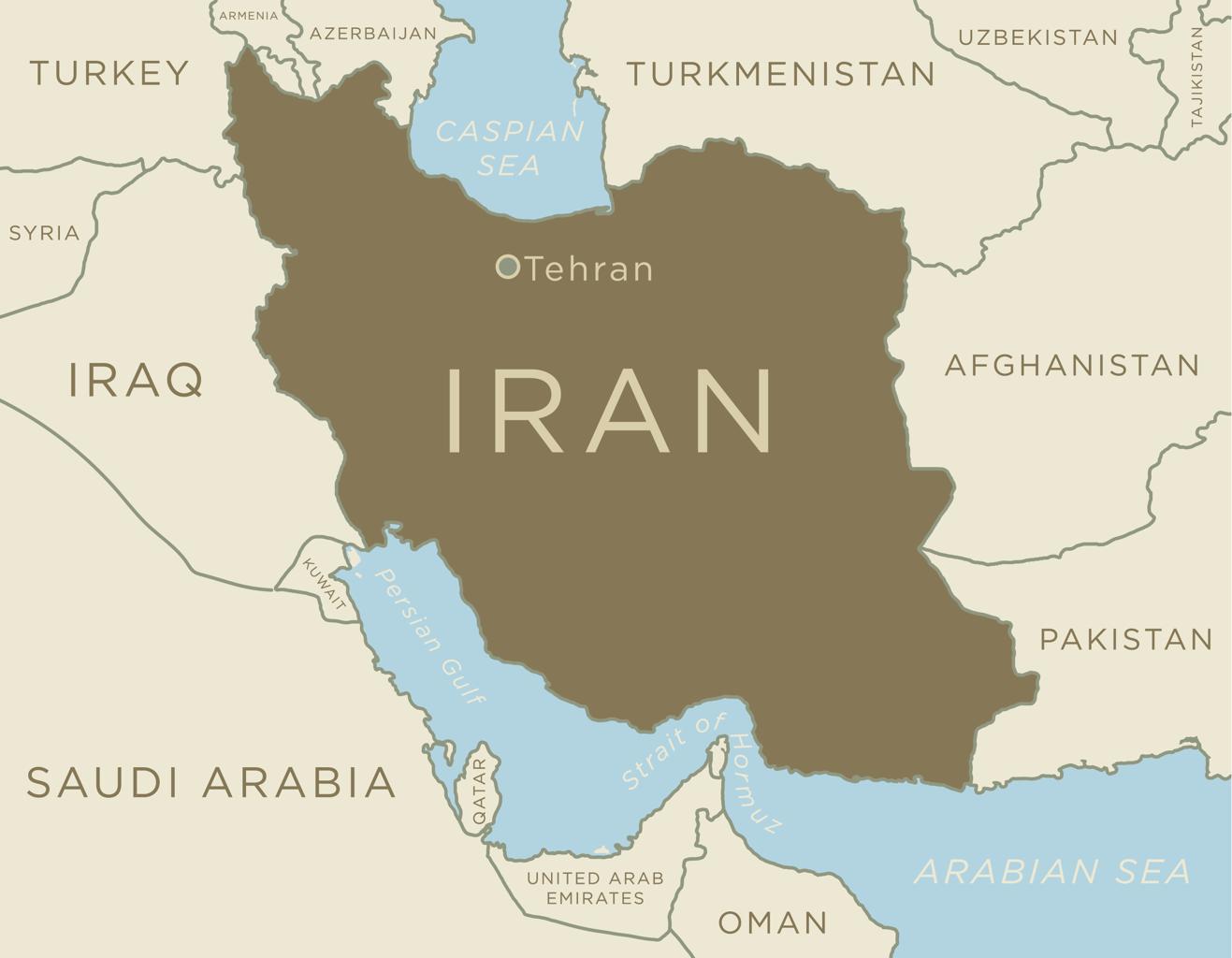
Tensions in the Middle East have once again drawn global attention as the conflict involving Iran continues to escalate. The situation has raised concerns worldwide about regional stability, global energy supply, and the potential impact on international security.
Recent military actions and retaliatory strikes between Iran and its adversaries have heightened fears of a wider conflict in the region. Governments and international organizations are closely monitoring the developments while urging restraint and diplomatic dialogue to prevent further escalation.
The Middle East remains a strategically important region, especially because it is a major hub for global oil production and trade routes. Any disruption in this area can influence fuel prices, international markets, and economic stability around the world.
Civilian safety is also a growing concern as ongoing tensions affect communities living near conflict zones. Humanitarian organizations continue to call for protection of civilians and increased efforts toward peaceful negotiations.
World leaders are emphasizing the need for diplomacy and cooperation to reduce tensions and avoid a prolonged conflict. Many experts believe that sustained dialogue between nations will be critical to preventing further instability in the region.
As the situation develops, international observers are watching closely to see whether diplomatic solutions can help de-escalate the crisis and restore stability.

 English
 Hindi
Hindi Marathi